%20(355%20x%20220%20px).png)


The Gamechanger Blog

As an Absolute Dogs Pro Dog Partner, Spring 2 Action proudly endorses all Absolute Dogs content, resources, and products.

Teenage dogs—one moment they’re your sweet, obedient pup, the next they’re ignoring your recall and pushing boundaries. If your once-perfect pooch is suddenly acting like a rebellious teenager, you’re not alone. Dog adolescence can feel like a rollercoaster, but with the right approach, you can navigate it with confidence. From sudden selective hearing to bursts of wild energy, this phase is packed with challenges—but also opportunities. Understanding what’s happening in your dog’s brain is the first step to guiding them through this tricky stage. With games-based training and a sprinkle of patience, you can turn teenage turbulence into training success. Ready to ditch the frustration and build an even stronger bond with your dog? Let’s dive in.

Bringing a puppy into your life is exciting, but it also comes with its fair share of challenges. From chewing and toilet training to building confidence and focus, the early months are key to shaping your pup’s future. A happy, healthy puppy doesn’t happen by chance—it’s all about setting them up for success from the start. The good news? With the right approach, you can create a strong foundation that makes training easier and life more enjoyable for both of you. Whether you’re tackling sleepless nights, nipping, or early socialisation, these essential tips will help you raise a well-rounded, resilient dog. Small steps now lead to big wins later. Let’s get started on making puppyhood as smooth and rewarding as possible.

There’s something truly special about the bond between children and dogs. When nurtured the right way, it can be a lifelong friendship built on trust, respect, and fun. But magic doesn’t happen by accident—it’s all about setting both your child and your dog up for success. Understanding body language, teaching boundaries, and making interactions positive from the start can make all the difference. With the right guidance, children and dogs can grow together in harmony, creating memories that last a lifetime. Whether you’re introducing a new puppy or strengthening an existing bond, small steps can lead to big results. Let’s explore how to build a safe, happy, and truly magical relationship.

Puppy training isn’t just about obedience—it’s about building confidence, focus, and a lifelong love of learning. Traditional methods can feel overwhelming, but there’s a better way. Games-based training turns every moment into an opportunity for growth, making learning fun and effective for both you and your pup. No rigid rules, no pressure—just real-life skills taught through play. Home-schooling your puppy means shaping great choices in the comfort of your own home, setting them up for success in the real world. From tackling distractions to building resilience, the power of games makes training effortless and enjoyable. Ready to transform your puppy’s training journey? Let’s dive into why home-schooling is the way to go.

Puppyhood is an adventure filled with excitement, challenges, and plenty of learning moments. The choices you make now shape the dog your pup will become, so why leave it to chance? With the right approach, training doesn’t have to be stressful—it can be fun, rewarding, and part of everyday life. Games-based training helps you build focus, confidence, and great choices from the very start. From nipping and jumping to recall and calmness, every puppy struggle has a solution rooted in positivity and play. The key is knowing what to do and when to do it. Ready to master puppyhood and set your dog up for lifelong success? Let’s get started.

Halloween may be full of fun and excitement, but for dogs, it can bring hidden dangers and unexpected stress. Strange costumes, loud noises, and tempting treats can turn a festive night into a challenging one for your canine companion. Keeping your dog safe and happy during spooky season doesn’t have to be tricky. With a few simple strategies, you can prevent stress, avoid hazards, and make Halloween an enjoyable experience for everyone. From managing scary sights and sounds to keeping dangerous foods out of reach, a little preparation goes a long way. Small changes can make a big difference in keeping your dog calm and comfortable. Let’s dive into the top tips for a safe and stress-free Halloween.

Halloween can be a nightmare for reactive dogs—strange costumes, constant door-knocking, and unexpected noises can send stress levels soaring. But with the right approach, you can help your dog stay calm and confident. Managing reactivity isn’t about avoiding the world—it’s about setting your dog up for success. With smart strategies and games-based training, you can turn potential stress into an opportunity for growth. From creating a safe space to reducing triggers, small adjustments can make a huge difference. The key is preparation, patience, and a plan that works for your dog’s needs. Let’s explore how to make Halloween night a calm and positive experience for both you and your dog.

Fireworks might be dazzling for us, but for many dogs, they’re downright terrifying. Loud bangs, sudden flashes, and unpredictable noises can turn a fun night into a stressful experience. The good news? You don’t have to wait until the fireworks start to help your dog. With the right preparation, you can build confidence, reduce anxiety, and create a calmer experience for your four-legged friend. From sound conditioning to safe spaces, small changes now can make a big difference when the skies light up. The sooner you start, the better prepared your dog will be. Let’s dive into six practical tips you can put into action today. Bringing dogs and children together can be magical, but it’s also a journey that requires preparation, understanding, and a sprinkle of patience. In this episode, Lauren and Jamie have plenty of practical tips, from exploring how to prepare your dogs for the arrival of a child and getting them used to new noises and smells to helping them adapt to the erratic movements of mobile toddlers, and so much more! They also tackle the other side of the equation: preparing children to be appropriate around dogs. Whether it’s teaching them to respect a dog’s space or helping them understand canine body language, it’s all about safety and mutual respect. Boundaries and rules are the unsung heroes of a happy household. Lauren and Jamie discuss the importance of creating safe zones for dogs, setting clear rules for interactions, and advocating for your dog’s emotional needs. They also have some creative ways to get children involved in the training process. And, of course, we couldn’t leave you without some top safety tips, including why you should never punish a dog for giving a warning (such as a growl) and how to spot subtle signs of discomfort before they escalate. If you’ve ever wondered how to navigate the complex dynamics of dogs and kids, tune in now for practical advice, valuable tips and the kind of guidance that will leave you feeling confident and inspired.

Walking your dog should be enjoyable, but for many owners, it’s anything but. Pulling on the lead, reactivity, and constant distractions can turn a simple walk into a stressful battle. The good news? You don’t have to rely on traditional walks to meet your dog’s needs. There are fun, engaging alternatives that build confidence, strengthen your bond, and bring out the best in your dog—all without the daily struggle. By focusing on games, enrichment, and alternative ways to exercise, you can transform frustration into freedom. It’s time to rethink what a great walk really looks like. Let’s explore five fun ways to ditch stressful walks for good.
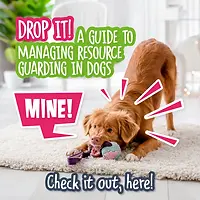
Does your dog turn into a treasure hoarder, refusing to let go of toys, food, or stolen socks? Resource guarding can be a stressful challenge, but with the right approach, you can transform tension into trust. Instead of battles over belongings, imagine a dog who happily trades and lets go with ease. It’s all about building positive associations, boosting confidence, and creating a relationship based on cooperation—not conflict. With games-based training and simple strategies, you can teach your dog that sharing is safe and rewarding. No more stand-offs, just a calm and happy dog who trusts you completely. Let’s dive into how to turn “Mine!” into “No problem!” with confidence and ease.

Think online dog training can’t compare to in-person classes? It’s time to rethink everything you know about learning with your dog. Traditional training methods often miss the mark, while online training offers flexibility, real-life results, and a personalised approach that fits your lifestyle. No rigid schedules, no overwhelming group classes—just effective, games-based training you can do anytime, anywhere. With the right guidance, you’ll see real progress without the stress of travelling or distractions that slow learning down. Whether you're tackling reactivity, recall, or calmness, online training gives you the tools to succeed at your own pace. The best part? Your dog learns in the environment where it matters most—home. Let’s bust the myths and explore why online training is more powerful than you think.

Socialisation isn’t just about meeting new dogs and people—it’s about shaping a confident, well-adjusted puppy who can handle the world with ease. But getting it right is more than just exposure; it’s about positive, well-managed experiences. Rushing socialisation or overwhelming your pup can do more harm than good. The key is quality over quantity—introducing new sights, sounds, and situations in a way that builds confidence, not fear. With the right approach, you can raise a puppy who is calm, resilient, and ready for anything life throws their way. Every interaction is an opportunity to shape their future. Let’s dive into the best tips for setting your puppy up for success.

Struggling to get your dog interested in treats? It can be frustrating when food doesn’t seem to work as a reward—but don’t worry, there’s a solution. A dog who isn’t “food motivated” isn’t being stubborn; they just need the right approach to unlock their love for learning. From finding the best rewards to building excitement around food, small changes can make a big difference. Food is a powerful training tool, and with the right strategies, you can turn even the pickiest pup into a food-loving learner. It’s all about engagement, mindset, and making rewards truly valuable. Let’s explore how to transform your dog’s motivation and supercharge your training.

Training at home is one thing—getting your dog to listen in the real world is another. Distractions, new environments, and unexpected challenges can make even the best-trained dog struggle. The key to success? Bridging the gap between home training and real-life reliability. It’s about building focus, confidence, and the ability to make great choices—no matter where you are. With games-based training, you can teach your dog to thrive in any situation. Whether it’s a busy park, a café, or a woodland walk, small, strategic steps will set you up for success. Let’s dive into how to take your dog’s training from the living room to the real world with confidence.

Losing a beloved dog is one of the hardest things we face as owners. The bond we share is deep, and when they’re gone, the grief can feel overwhelming. But while their time with us may be short, their impact lasts a lifetime. Rainbow Bridge Remembrance Day is a chance to honour the dogs who changed our lives. It’s about cherishing the memories, celebrating the love, and finding comfort in the moments we shared. Grief looks different for everyone, but one thing remains the same—our dogs leave paw prints on our hearts forever. Whether you’re remembering a heart dog or supporting someone who is, you’re not alone. Let’s take a moment to reflect, celebrate, and keep their spirit alive in all we do.

Trick training isn’t just about showing off—it’s a powerful way to build focus, confidence, and real-life skills. Whether it’s boosting engagement, strengthening your bond, or adding fun to training sessions, teaching tricks brings huge benefits for both you and your dog. The best part? Tricks don’t just look impressive; they have practical uses too. A well-placed spin can boost body awareness, a solid ‘paw’ can build trust, and a reliable ‘stay’ can be a lifesaver in everyday situations. No matter your dog’s age or experience, trick training is for everyone. With the right approach, you’ll unlock new levels of teamwork and success. Let’s dive into five top tricks that every dog should know.

A microchip is more than just a tiny piece of technology—it’s your dog’s lifeline if they ever get lost. But having a chip isn’t enough; keeping the details up to date is what truly keeps your dog safe. Check the Chip Day is a vital reminder for all dog owners to ensure their pet’s microchip information is current. A simple check could be the difference between a quick reunion and a heartbreaking search. Beyond microchipping, there are other essential safety steps every owner should take to protect their dog. From secure collars to smart recall training, a little preparation goes a long way. Let’s explore how to keep your dog safe and ensure they always find their way home.

In this episode, Lauren chats with Kate, a passionate physio and amazing Pro Dog Trainer - and soon to be Gamechanger vet - whose journey is inspiring for anyone who’s ever pursued a lifelong dream. Kate and Lauren dive into the idea of risking forward and share Kate's inspiring journey of taking bold steps towards becoming a vet later in life. Kate opens up about her path into veterinary school, sharing the challenges of balancing study with family life, the financial hurdles and the constant commitment it takes to pursue her passion. From the inevitable stress and intensity of exam season and the pressure to excel in an academically rigorous environment, to her goal of making a difference in animal care, Kate opens up about the realities of vet school and what keeps her motivated. Listen in as she discusses how her perspective on animal welfare has evolved and shares her ideas for improving veterinary practices for both animals and their owners - including stress-reducing ideas for vet visits. As she reflects on the support of her partner and her experiences in mixed-practice animal care, Kate’s enthusiasm and dedication shine through, reminding listeners that it’s never too late to follow a passion. Lauren and Kate also discuss the importance of taking risks, saying yes to new opportunities, and letting passion guide your career choices. Kate gives us a peek into what’s next for her as she moves into the clinical phase of her training, and her thoughts on potentially working in mixed practice, blending her love for dogs, farm animals, and her physio background. Tune in to hear more of Kate’s story and get inspired by her dedication to animals, her plans for the future, and the adventure of becoming a vet. This episode is packed with insights on resilience, growth, and the joys of chasing a dream.

Want to capture stunning photos of your dog? The secret isn’t just a good camera—it’s great training. With the right tricks, you can turn every snapshot into a masterpiece. A solid sit-stay, an adorable head tilt, or a playful paw lift can take your dog’s photos from ordinary to extraordinary. These tricks not only make for eye-catching shots but also strengthen your bond and boost your dog’s focus. Whether you're celebrating National Dog Photography Day or just want to level up your pet portraits, a little training goes a long way. Let’s dive into four fun tricks that will help you capture the perfect shot.

A happy dog isn’t just physically exercised—they need mental stimulation too. Enrichment is the key to a fulfilled, well-balanced pup, and the best part? It doesn’t have to be complicated. From food games to problem-solving activities, engaging your dog’s brain can boost confidence, reduce stress, and even prevent unwanted behaviours. A dog who thinks, learns, and plays is a dog who thrives. Whether it’s mealtime challenges, scent work, or creative games, small changes in your routine can make a big difference. Enrichment isn’t just a bonus—it’s essential for your dog’s wellbeing. Let’s explore simple yet powerful ways to keep your dog’s mind active and their tail wagging.

Walking a reactive dog comes with its challenges, and few things are more frustrating than hearing, “It’s okay, my dog’s friendly!” as an off-lead dog rushes over. But here’s the truth—your dog’s needs come first, and managing these situations with confidence is key. Whether you’re working on reactivity, building calmness, or simply trying to avoid unwanted interactions, having a plan makes all the difference. From smart strategies to clear communication, you can navigate these encounters without stress. You don’t owe anyone an explanation—just the best choices for your dog. Let’s dive into practical tips for handling these tricky moments and setting your dog up for success.

Reactivity can feel overwhelming, but it doesn’t have to define your dog’s future. With the right approach, you can transform frustration into focus and stress into success. Whether it’s barking, lunging, or over-excitement, reactivity is simply a sign that your dog needs support. The good news? There are proven strategies to help them feel calmer, more confident, and better equipped to handle the world. By focusing on mindset, training, and smart management, you can create lasting change. Small wins add up, and every step forward is progress. Let’s explore seven effective strategies to help your dog thrive.

Fire safety isn’t just for humans—our dogs rely on us to keep them safe too. In an emergency, every second counts, and being prepared can make all the difference. From fire-proofing your home to creating an escape plan that includes your dog, a little preparation now could save lives later. Simple steps like keeping exits clear, training a solid recall, and having a pet emergency kit can give you peace of mind. No one wants to imagine the worst, but taking action today means you’ll be ready for anything. Fire safety is a responsibility every dog owner should take seriously. Let’s dive into six essential tips to protect your dog and your home.

A reliable recall is one of the most important skills your dog can learn—it’s the difference between freedom and frustration, safety and risk. But let’s be honest, calling your dog and watching them ignore you is something every owner dreads. The good news? Recall training doesn’t have to be a struggle. With the right approach, you can transform your dog’s response from “maybe later” to “coming right now!” By making recall fun, rewarding, and impossible to resist, you’ll build a dog who loves running back to you every time. It’s not about shouting louder—it’s about becoming the most exciting thing in your dog’s world. Let’s explore top tips to supercharge your recall training.

Taking your dog to work can be an amazing bonding experience, but it needs a little planning to go smoothly. Is your dog ready for the sights, sounds and distractions of a busy workplace? From building calm confidence at home to packing the right essentials, preparation is key. This blog shares seven simple tips to help you create a stress‑free, tail‑wagging day for both you and your dog. You’ll learn how to set clear boundaries, respect co‑workers’ comfort, and keep your dog happy and relaxed throughout the day. Whether it’s Take Your Dog to Work Day or just a regular office visit, these strategies will make the experience positive for everyone involved.

Separation anxiety isn’t just about a dog who dislikes being alone—it’s a real struggle that can impact their happiness and wellbeing. But how do you know if your dog is truly anxious or just needs time to adjust? From destructive behaviour to excessive vocalisation, the signs of separation anxiety can be easy to miss or misinterpret. Understanding what to look for is the first step in helping your dog feel more secure. The good news? With the right strategies, you can build confidence, ease their stress, and create a more relaxed experience when you leave. Let’s dive into the top three signs of separation anxiety and what you can do to support your dog.

Separation anxiety can be exhausting—for both you and your dog. Constant stress, destructive behaviour, and guilt every time you leave the house can make daily life feel like a challenge. But it doesn’t have to be this way. With the right strategies, you can help your dog feel more secure, more independent, and more relaxed when left alone. It’s not about quick fixes—it’s about building lasting confidence and trust. By making small but powerful changes to your routine, you can create a calmer, happier experience for your dog and regain your freedom. Let’s explore five practical ways to stop separation anxiety from running your life.

Struggling to keep your dog’s focus, especially when distractions appear? Whether it’s other dogs, squirrels, or the slightest rustle in the wind, getting your dog to pay attention can feel like an uphill battle. But here’s the secret—attention isn’t just something your dog gives; it’s something you can build. With the right approach, you can become the most exciting thing in their world, no matter what’s going on around them. From games to mindset shifts, training for unshakeable attention transforms walks, training sessions, and everyday life. It’s the key to a dog who listens, engages, and stays connected, even in the toughest environments. Let’s dive into the ultimate guide to getting—and keeping—your dog’s focus.

Success in dog training doesn’t happen overnight—it’s built through consistency, momentum, and realistic goals. But staying motivated when progress feels slow can be tough. The key? Small wins. Every moment of focus, every step forward, and every game played adds up to real transformation. Training isn’t about perfection—it’s about progress, and the more you celebrate the little victories, the bigger the results. By setting clear goals, staying engaged, and keeping training fun, you’ll create lasting success for both you and your dog. When you build momentum, progress becomes unstoppable. Let’s explore how focus, momentum, and achievable goals can take your training to the next level.

Not everything that’s safe for us is safe for our dogs. One wrong bite could mean an emergency vet visit—but how do you know what’s truly dangerous? From hidden toxins in everyday foods to common myths about what dogs can and can’t eat, food safety is something every owner needs to take seriously. The good news? With a little knowledge and awareness, you can keep your dog safe while still making mealtimes exciting. Whether it’s avoiding toxic ingredients, handling treats safely, or understanding portion control, smart choices can make all the difference. Let’s dive into what’s safe, what’s not, and how to keep your dog’s diet both delicious and risk-free.

Doorbell rings. Dog goes wild. Sound familiar? For reactive dogs, deliveries can be a nightmare—barking, lunging, and stress levels through the roof. But it doesn’t have to be this way. Managing a reactive dog during deliveries isn’t about hoping they’ll grow out of it. It’s about giving them the skills to stay calm, feel safe, and make better choices. With the right strategies, you can turn chaos into calm and reclaim peaceful parcel drop-offs. From smart management to confidence-building games, small changes can make a big difference. Let’s explore how to survive deliveries with your reactive dog—without the drama.